


Elon Musk Lawsuit: Elon Musk Losses Suit Against OpenAI Understanding elon musk lawsuit is essential.
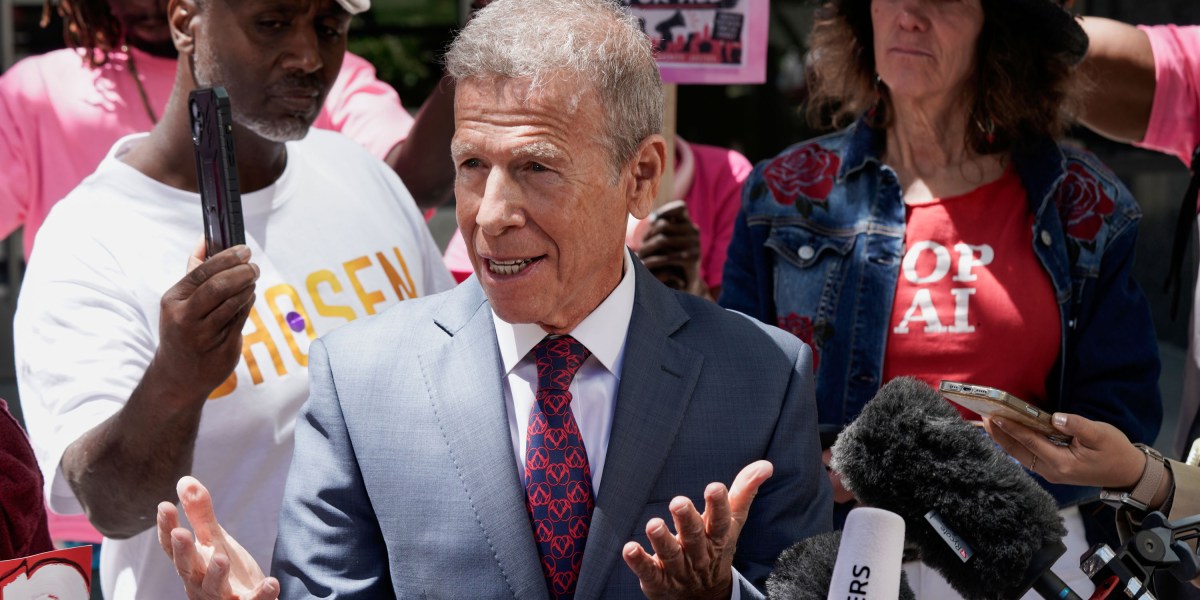
In a significant blow to billionaire entrepreneur Elon Musk, a unanimous advisory verdict from the jury in his suit against OpenAI has ruled that he sued too late. The decision, which was announced on Monday, bars Musk’s claims under the applicable statutes of limitations.
Musk had filed a lawsuit against OpenAI, the creator of the popular AI chatbot GPT-3, alleging that the company had breached an agreement and stolen intellectual property from him. However, the jury’s verdict has dealt a major setback to Musk’s case.
The Verdict: Too Late to Sue
The unanimous advisory verdict, which was accepted by US District Judge Yvonne Gonzalez Rogers, found that Musk had filed his lawsuit more than three years after he claimed OpenAI had breached their agreement. The statute of limitations for such claims typically ranges from one to three years, depending on the jurisdiction.
As a result, the court has ruled that Musk’s claims are barred by the applicable statutes of limitations. This means that even if Musk can prove that OpenAI did indeed breach their agreement, he will not be able to seek damages or other relief for his losses.
Musk announced on X that he would appeal the verdict, but it remains to be seen how successful such an appeal will be. In the meantime, the decision serves as a reminder of the importance of filing lawsuits in a timely manner.
The Background: A Complex Dispute
The dispute between Musk and OpenAI has been complex and multifaceted. According to reports, Musk had previously worked with OpenAI on a project called XGPT, which was an AI chatbot designed for customer service applications.
However, Musk claimed that he later became involved in the development of GPT-3, another AI chatbot developed by OpenAI, and that the company had breached their agreement by using his intellectual property without permission. Musk sought damages and other relief from OpenAI as a result.
The Future: Implications for Musk’s Business
The implications of this verdict for Musk’s business are significant. As a prominent figure in the tech industry, Musk has built his reputation on being a visionary entrepreneur who can navigate complex disputes and regulatory challenges.
However, this latest setback may have raised questions about Musk’s ability to manage risk and ensure that his business partners comply with agreements. The verdict may also raise concerns about the intellectual property protections available to entrepreneurs and innovators in the tech industry.
In the coming weeks and months, it will be interesting to see how Musk navigates this outcome and what steps he takes to move forward. Will he be able to recover from this setback and continue to build his business empire? Only time will tell.
The Elon Musk lawsuit: a cautionary tale of timing and the importance of intellectual property protection.
As the news of the verdict spread, social media was abuzz with reactions from fans and critics alike. While some were quick to jump on the bandwagon, others took a more measured approach, pointing out that this was not the first time Musk had faced scrutiny for his business dealings.
One such controversy that comes to mind is the Tesla Autopilot lawsuit, which Musk initially denied was a major issue with his company’s autonomous vehicle technology. In 2016, a group of investors sued Tesla over claims that the company’s autopilot system was defective and posed a significant risk to safety. The case was eventually settled out of court for $20 million.
Another notable example is the SolarCity lawsuit, which Musk acquired in 2016 after his company Tesla purchased it. The acquisition was met with skepticism by many investors and analysts, who pointed out that SolarCity’s financial performance was significantly weaker than Tesla’s. In 2020, a group of investors filed a lawsuit against Musk, alleging that he had breached his fiduciary duties as the CEO of Tesla.
Despite these controversies, Musk has built a reputation for being a visionary entrepreneur who is not afraid to take risks and challenge the status quo. However, this latest setback may have raised questions about Musk’s ability to manage risk and ensure that his business partners comply with agreements. Related: Learn more about this topic.
The implications of this verdict for Musk’s business are significant. As a prominent figure in the tech industry, Musk has built his reputation on being a visionary entrepreneur who can navigate complex disputes and regulatory challenges. However, this latest setback may have raised questions about Musk’s ability to manage risk and ensure that his business partners comply with agreements.
The Elon Musk lawsuit is also a reminder of the importance of intellectual property protection in the tech industry. As AI technology continues to advance at an unprecedented rate, companies are finding new ways to protect their innovations and trade secrets from being stolen or misappropriated. However, this can be a complex and contentious issue, with disputes arising over issues such as patent validity, ownership, and licensing agreements.
In the coming weeks and months, it will be interesting to see how Musk navigates this outcome and what steps he takes to move forward. Will he be able to recover from this setback and continue to build his business empire? Only time will tell.
One potential strategy for Musk could be to focus on building stronger relationships with his business partners and investors. By being more transparent and open about his business dealings, Musk may be able to build trust and credibility with his stakeholders. However, this approach may also require Musk to be more nuanced in his public statements and avoid making sweeping claims or accusations against his competitors.
Ultimately, the Elon Musk lawsuit serves as a reminder of the importance of intellectual property protection and the need for companies to have robust agreements and dispute resolution mechanisms in place. By prioritizing these issues, businesses can minimize their risk and maximize their chances of success in the competitive tech industry.
In conclusion, while the verdict may be a setback for Musk’s business, it is also an opportunity for him to learn from his mistakes and adapt to changing circumstances. As the tech industry continues to evolve at an unprecedented rate, companies like Tesla will need to stay agile and responsive to new challenges and opportunities. By doing so, they can build stronger relationships with their stakeholders and create long-term value for their investors and customers.
The future of AI technology is likely to be shaped by a complex interplay of factors, including technological advancements, regulatory changes, and market trends. As the tech industry continues to evolve, companies like OpenAI will need to navigate these challenges and opportunities while prioritizing intellectual property protection and dispute resolution mechanisms. By doing so, they can build stronger relationships with their stakeholders and create long-term value for their investors and customers.
In the end, the Elon Musk lawsuit serves as a reminder of the importance of staying vigilant and proactive in protecting one’s business interests. Whether you are a seasoned entrepreneur or an investor, it is essential to have a deep understanding of intellectual property law and dispute resolution mechanisms. By doing so, you can minimize your risk and maximize your chances of success in the competitive tech industry.