



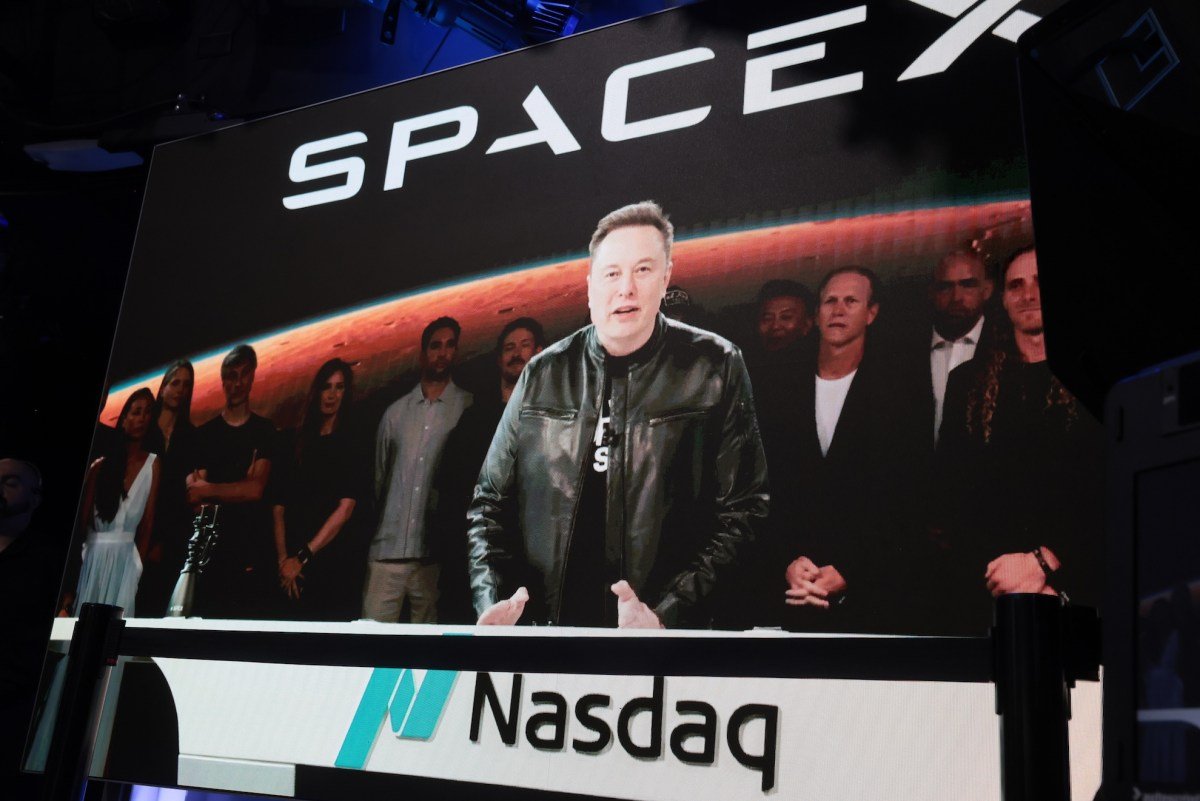
Space Tech Startups Get Green Light to Join Elon Musk’s Galactic Empire
In a move that promises to accelerate the development of private space technology, the Federal Trade Commission (FTC) has given Elon Musk’s SpaceX the green light to acquire several space tech startups. The acquisitions, which are expected to significantly boost SpaceX’s capabilities in areas such as satellite manufacturing and space-based solar power, have been approved under the FTC’s review process.
Space tech startups like Mesh, a San Francisco-based company that came out of stealth in February with a $50 million Series A, have been attracting attention from investors and industry players alike. These companies are pushing the boundaries of what is possible in the private space sector, developing innovative technologies and solutions that could one day become essential for humanity’s survival.
The acquisition of these startups by SpaceX would not only provide the company with access to cutting-edge technology but also enable it to expand its portfolio of services and products. With a growing number of satellites already launched into orbit, SpaceX is well-positioned to capitalize on the rapidly expanding satellite industry. The addition of space tech startups like Mesh could further enhance SpaceX’s capabilities in this area.
Building Blocks for a Sustainable Space Economy
Space tech startups are playing an increasingly important role in shaping the future of space exploration and development. These companies are driving innovation in areas such as propulsion systems, materials science, and life support systems, all of which are essential for creating a sustainable presence in space.
The acquisition of these startups by SpaceX would provide the company with access to the latest technologies and expertise, enabling it to accelerate its plans for establishing a human settlement on Mars. With the help of private investment and government funding, SpaceX is working towards making humanity a multi-planetary species. The inclusion of space tech startups in this effort could be a game-changer.
Competition Heats Up as Space Tech Startups Go Mainstream
The FTC’s approval of SpaceX’s acquisition of space tech startups has sent shockwaves through the industry. Other companies, including Amazon and Google, have also been actively seeking to acquire space tech startups. As the competition for talent and technology heats up, it is likely that we will see a proliferation of new space-based ventures.
However, with the increasing regulatory scrutiny, there are concerns about the potential antitrust implications of these acquisitions. The FTC has stated that it will continue to monitor the situation closely, ensuring that any acquisition does not harm competition in the industry.
A New Era for Space Tech Startups
The acquisition of space tech startups by SpaceX marks a new era for the industry. These companies are no longer just startup darlings; they are now being recognized as integral players in shaping the future of private space technology.
As the space sector continues to grow and mature, it is likely that we will see more acquisitions like this one. The inclusion of space tech startups in SpaceX’s portfolio could be a harbinger of things to come. With Musk at the helm, SpaceX is well-positioned to take on the challenges of establishing a sustainable human presence in space.
The future of private space technology looks bright, and it is clear that space tech startups will play an increasingly important role in shaping its trajectory.
As the acquisition of space tech startups by SpaceX continues to gain momentum, it’s clear that these companies are poised to become major players in the private space sector. The inclusion of these startups in SpaceX’s portfolio marks a significant shift in the industry, as they bring with them cutting-edge technologies and innovative solutions that could have far-reaching implications for humanity.
One of the key areas where space tech startups are making waves is in the development of sustainable space-based solar power systems. Companies like Mesh, which has developed a proprietary solar panel design that can be used to generate electricity in space, are pioneering new approaches to harnessing energy from the sun while orbiting the Earth. This technology could potentially provide a clean and reliable source of power for future space missions, helping to reduce reliance on fossil fuels and minimize environmental impact.
Another area where space tech startups are making significant strides is in the development of advanced propulsion systems. Companies like Rocket Lab, which has developed a proprietary electric propulsion system that can accelerate payloads to orbit faster than traditional chemical rockets, are pushing the boundaries of what’s possible when it comes to propelling spacecraft through space. This technology could potentially enable faster and more efficient travel to other planets, making interplanetary missions more feasible and reducing the cost of access to space.
The acquisition of space tech startups by SpaceX also marks a significant shift in the way that private companies are approaching space exploration and development. Historically, space agencies have been at the forefront of space-based innovation, with NASA and other organizations leading the charge on major projects like the International Space Station and Mars exploration programs. However, as private companies like SpaceX continue to gain momentum and investment, it’s clear that they’re now playing a major role in shaping the future of space technology.
The inclusion of space tech startups in SpaceX’s portfolio could potentially enable the company to expand its services and products even further. With a growing number of satellites already launched into orbit, SpaceX is well-positioned to capitalize on the rapidly expanding satellite industry. The addition of space tech startups like Mesh could further enhance SpaceX’s capabilities in this area, enabling the company to offer more advanced and innovative solutions for satellite manufacturing and deployment.
As the competition for talent and technology heats up in the space sector, it’s clear that we’ll see a proliferation of new space-based ventures emerging over the coming years. Other companies, including Amazon and Google, are already actively seeking to acquire space tech startups, further fueling the growth of this rapidly expanding industry.
However, with the increasing regulatory scrutiny, there are concerns about the potential antitrust implications of these acquisitions. The FTC has stated that it will continue to monitor the situation closely, ensuring that any acquisition does not harm competition in the industry. As the space sector continues to grow and mature, it’s essential that policymakers and regulators remain vigilant and take steps to ensure that innovation and competition are preserved.
The future of private space technology looks bright, and it’s clear that space tech startups will play an increasingly important role in shaping its trajectory. With SpaceX at the helm, these companies are now being recognized as integral players in shaping the future of private space technology. As we look to the years ahead, one thing is clear: the next decade will be shaped by the intersection of technology and innovation, with space tech startups leading the charge.
In conclusion, the acquisition of space tech startups by SpaceX marks a significant shift in the industry, as these companies bring with them cutting-edge technologies and innovative solutions that could have far-reaching implications for humanity. As the competition for talent and technology heats up, it’s clear that we’ll see more acquisitions like this one, with other companies seeking to tap into the expertise and innovation of space tech startups. The future of private space technology looks bright, and it’s essential that policymakers and regulators remain vigilant in ensuring that innovation and competition are preserved.
Ultimately, as we look to the years ahead, one thing is clear: the next decade will be shaped by the intersection of technology and innovation, with space tech startups leading the charge. With SpaceX at the helm, these companies are poised to play a major role in shaping the future of private space technology, enabling humanity to become a multi-planetary species and paving the way for a sustainable presence in space.