



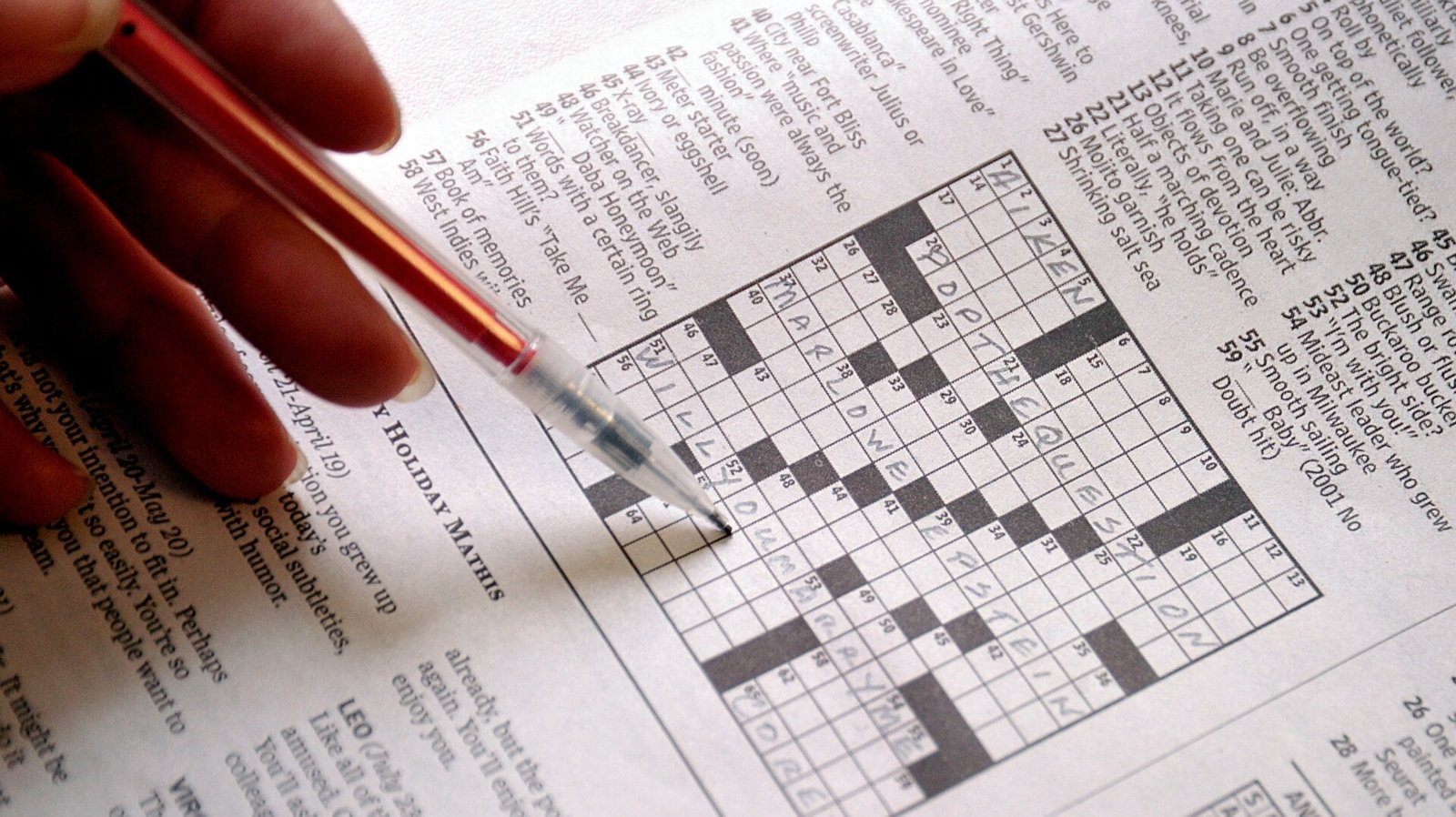
Cryptic Crossword: The Hardest Test of Language Models
Cryptic crosswords have long been a staple of puzzle enthusiasts, challenging solvers to decipher clever clues and unravel complex wordplay. But when it comes to testing the limits of language models, these puzzles become an even more formidable foe. With their layered meanings, double interpretations, and cunning misdirection, cryptic crosswords provide the perfect crucible for evaluating AI systems.
The Anatomy of a Cryptic Crossword
A typical cryptic crossword is constructed using a set of rules that govern how clues are written and answers are revealed. These rules can be broadly categorized into two types: literal clues and wordplay-based clues. Literal clues provide straightforward definitions or descriptions, while wordplay-based clues rely on puns, anagrams, and other linguistic tricks to conceal the answer.
In contrast, cryptic crosswords take this approach a step further by layering multiple meanings and interpretations beneath the surface. This can involve using homophones, homographs, and other forms of semantic ambiguity to create clues that are both clever and misleading. As a result, solvers must employ a range of skills, from vocabulary knowledge to linguistic expertise, in order to unravel the puzzle.
Testing LLMs with Cryptic Crosswords
When it comes to testing language models like LLMs (Large Language Models), cryptic crosswords present an ideal challenge. These AI systems are designed to process and generate vast amounts of text data, but their ability to understand subtle linguistic nuances is often put to the test.
One key area where LLMs struggle with cryptic crosswords is in parsing clues that rely on wordplay or other forms of semantic ambiguity. For example, a clue might use a homophone to create multiple possible answers, forcing the solver to carefully consider each option before selecting the correct one.
In contrast, many LLMs are adept at generating text based on patterns and structures they have learned from large datasets. However, this ability can also be a curse when it comes to cryptic crosswords. Without a deep understanding of linguistic subtleties, these AI systems may struggle to recognize clever wordplay or nuanced language.
Evaluating LLM Performance with Cryptic Crosswords
So how do we evaluate the performance of LLMs on cryptic crosswords? One approach is to compare their ability to solve puzzles against that of human solvers. This can involve using large-scale datasets of crosswords and comparing the accuracy of AI-generated solutions against those produced by human solvers.
Related: Learn more about this topic.
Another approach involves assessing the quality of the solutions generated by LLMs, looking for signs of error or ambiguity that may indicate a deeper understanding of linguistic subtleties is required. For example, if an LLM consistently selects answers that are not supported by the clue, it may suggest that the model is relying too heavily on pattern recognition rather than nuanced language understanding.
The Future of Cryptic Crossword-Based AI Testing
As AI systems continue to evolve and improve, cryptic crosswords will remain a crucial tool for evaluating their performance. By pushing these models to their limits, we can gain insights into their strengths and weaknesses, identifying areas where they excel and areas that require further improvement.
Ultimately, the challenge posed by cryptic crosswords is not simply about solving puzzles or generating text, but about understanding the complex interplay between language, meaning, and context. By embracing this challenge, we can create a more nuanced and sophisticated evaluation framework for AI systems, one that better reflects the subtleties of human language.