



Autonomous Vehicles Fall Short in Reducing Traffic
The promise of autonomous vehicles was supposed to revolutionize the way we think about transportation. With the ability to navigate roads without human intervention, experts predicted that they would greatly reduce traffic congestion and improve air quality. However, a growing body of data suggests that autonomous vehicles are not living up to their full potential.
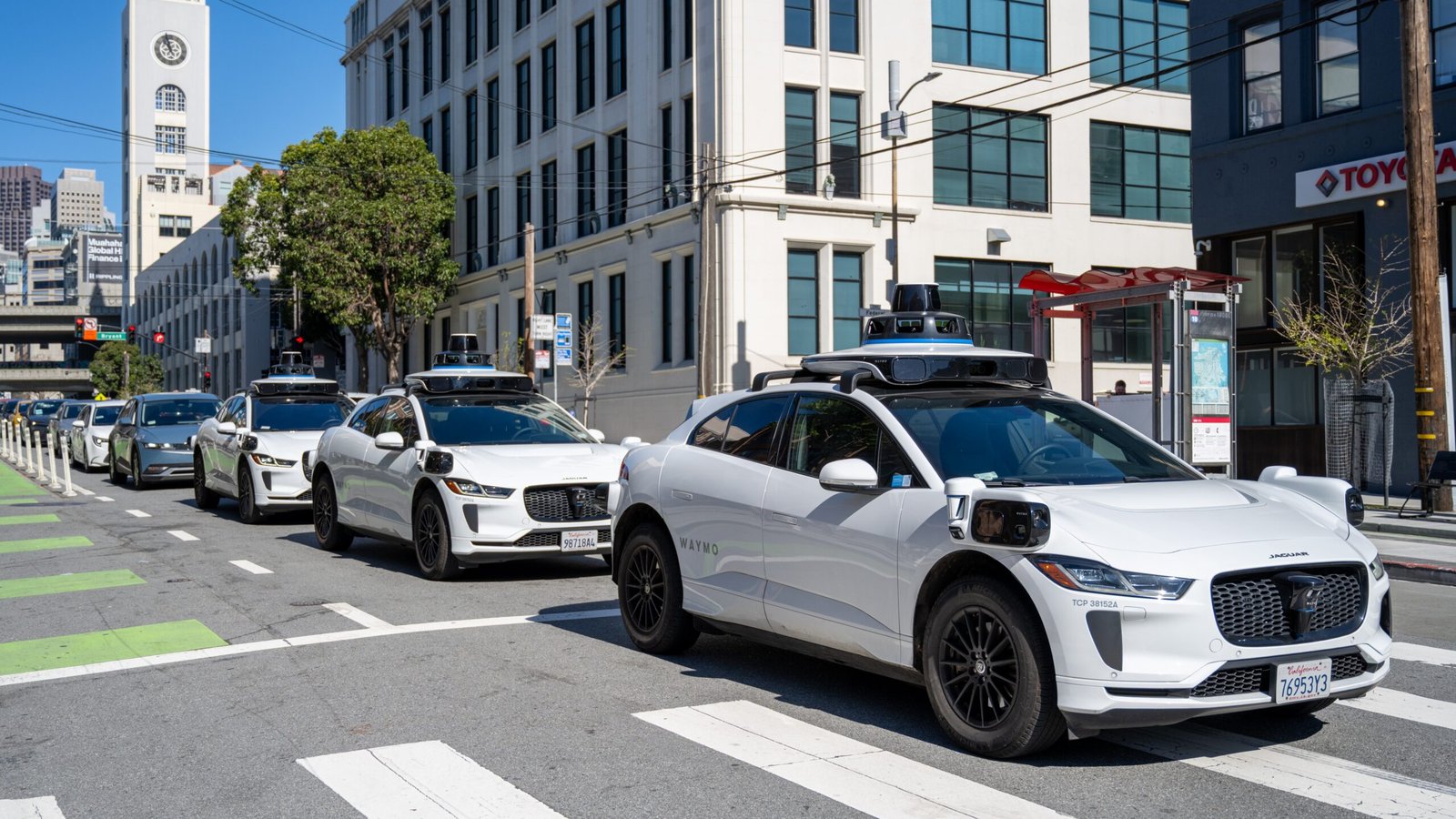
One of the most striking examples is Waymo’s robotaxis, which have been testing on public roads for several years now. According to recent data, these self-driving cars are empty for almost half of the miles they drive. This means that despite having the capacity to carry dozens of passengers at a time, Waymo’s vehicles are typically only carrying one or two people. This stark contrast between capacity and utilization highlights a fundamental flaw in the design of autonomous vehicle systems.
Emptying the Roads: The Limitations of Autonomous Vehicle Technology
The reason for this emptiness is largely due to the technical challenges that autonomous vehicles face when it comes to routing and demand prediction. While self-driving cars are capable of navigating roads with ease, they often struggle to determine whether there will be enough passengers to fill a trip at any given time. This is particularly true in areas where public transportation options are limited or non-existent.
As a result, autonomous vehicle systems tend to favor routes that have a high probability of being occupied, even if it means taking longer and less efficient routes. This approach can lead to congestion on roads and highways, as self-driving cars become bottlenecks for human traffic. Moreover, the lack of demand prediction capabilities makes it difficult for autonomous vehicles to optimize their routing in real-time, further exacerbating traffic congestion.
Another issue that has arisen with the increasing adoption of autonomous vehicles is the problem of “phantom traffic.” This refers to the phenomenon where self-driving cars encounter other vehicles on the road that are not actually occupied by humans. These phantom vehicles can cause autonomous vehicles to slow down or change lanes suddenly, leading to unexpected stops and starts.
Safety and Reliability: The Unreliable Foundation of Autonomous Vehicle Technology
The safety and reliability of autonomous vehicle technology are also major concerns. While self-driving cars have been involved in numerous crashes over the years, these incidents are often attributed to a combination of human error, technical glitches, or poor software design. Moreover, many experts argue that autonomous vehicles lack the critical thinking skills required to handle complex situations on the road.
One of the most alarming examples of this is the case of Tesla’s Autopilot system, which has been linked to numerous fatal crashes in recent years. While Tesla claims that its advanced driver-assistance system (ADAS) is designed to improve safety, many experts have questioned the effectiveness and reliability of these systems.
The Future of Autonomous Vehicles: A Path Forward
Related: Learn more about this topic.
Despite the challenges faced by autonomous vehicle technology, there are still many experts who believe that self-driving cars will eventually become a reality. However, this will require significant advances in areas such as machine learning, sensor technology, and software design.
One potential solution to the demand prediction problem is to integrate autonomous vehicles with traditional public transportation systems. By working together, self-driving cars could provide seamless connectivity between urban and suburban areas, reducing congestion and improving air quality.
Another approach is to focus on creating more efficient and flexible routing algorithms that can accommodate a wide range of scenarios and passenger demands. This would require significant investments in data analytics, sensor technology, and AI development.
In conclusion, while autonomous vehicles have the potential to revolutionize transportation, they are still far from living up to their full potential. By addressing the technical challenges and safety concerns associated with self-driving cars, we can create a future where these vehicles not only reduce traffic congestion but also improve air quality and provide safe, reliable transportation for all.