



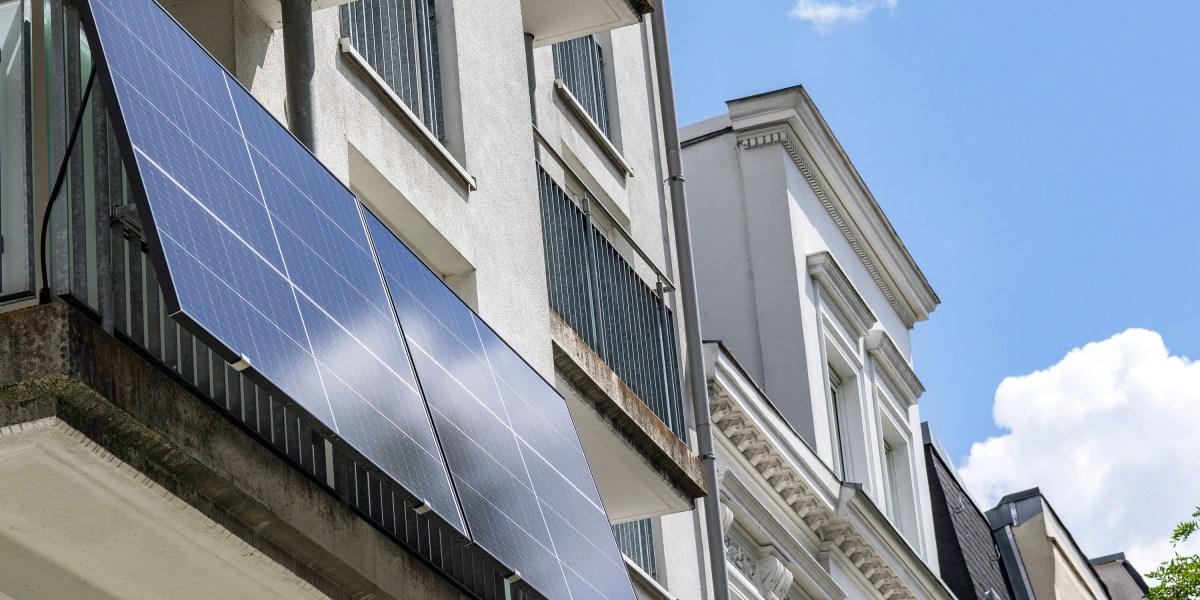
Balcony Solar Systems to Transform Urban Rooftops
As the world grapples with the challenges of climate change and energy sustainability, innovators are turning to creative solutions to harness renewable energy. One such solution is balcony solar systems, small plug-in arrays that can be easily installed on urban rooftops to generate clean power and reduce emissions. With dozens of US states considering legislation to allow people to install these systems, the potential for a transformative impact on urban landscapes is vast.
The Rise of Balcony Solar Systems in Europe
Balcony solar systems have already gained popularity in Europe, where they are used to power homes, businesses, and even entire buildings. These small arrays require little to no setup and can be installed on a variety of surfaces, from traditional rooftops to balconies and even backyards. In countries such as Germany and Italy, balcony solar systems are being used to reduce energy bills and carbon emissions, with many homeowners reporting significant savings.
Accessing Solar Power for All
Proponents of balcony solar systems argue that they could make solar power more accessible for underserved communities and individuals who may not have the resources or space to install traditional rooftop solar panels. With their compact size and minimal setup requirements, these systems can be easily integrated into urban environments, making it possible for people to generate clean energy from even the smallest of spaces.
The benefits of balcony solar systems extend beyond individual homeowners. By increasing access to renewable energy, these systems can help reduce greenhouse gas emissions and mitigate the impacts of climate change. According to a study by the National Renewable Energy Laboratory, widespread adoption of rooftop solar in the US could reduce carbon emissions by as much as 2.2 gigatons per year.
Regulatory Frameworks and Hurdles
Despite the potential benefits of balcony solar systems, there are still significant regulatory hurdles to overcome before they can become widely adopted. In the US, for example, many states require a minimum amount of rooftop space or energy production capacity in order to qualify for net metering, which allows homeowners to sell excess energy back to the grid.
However, proponents of balcony solar systems argue that these regulations are outdated and stifle innovation. By relaxing or eliminating these restrictions, policymakers can create a more favorable environment for the development and deployment of these technologies.
Balcony Solar Systems: A New Era in Urban Energy
As the world looks to urban areas as hubs for sustainability innovation, balcony solar systems offer a promising solution for transforming rooftops into renewable energy generators. By providing affordable, accessible, and efficient solutions for generating clean power, these systems can help create more sustainable, equitable cities.
In addition to reducing emissions and energy bills, balcony solar systems also have the potential to stimulate economic growth and job creation in the urban sector. According to a report by the Urban Sustainability Alliance, rooftop solar installations could support up to 1 million jobs by 2030, with many of these positions focused on installation, maintenance, and monitoring.
As policymakers consider legislation to allow balcony solar systems, they must also think about the broader social implications of this technology. By making renewable energy more accessible and affordable, these systems can help create more livable, sustainable communities that prioritize people’s health and well-being over profits.
Ultimately, the success of balcony solar systems will depend on a combination of technological innovation, policy support, and community engagement. As we look to the future of urban sustainability, it is clear that these small plug-in arrays have the potential to transform rooftops into powerful generators of clean energy – and create a more sustainable future for all.