



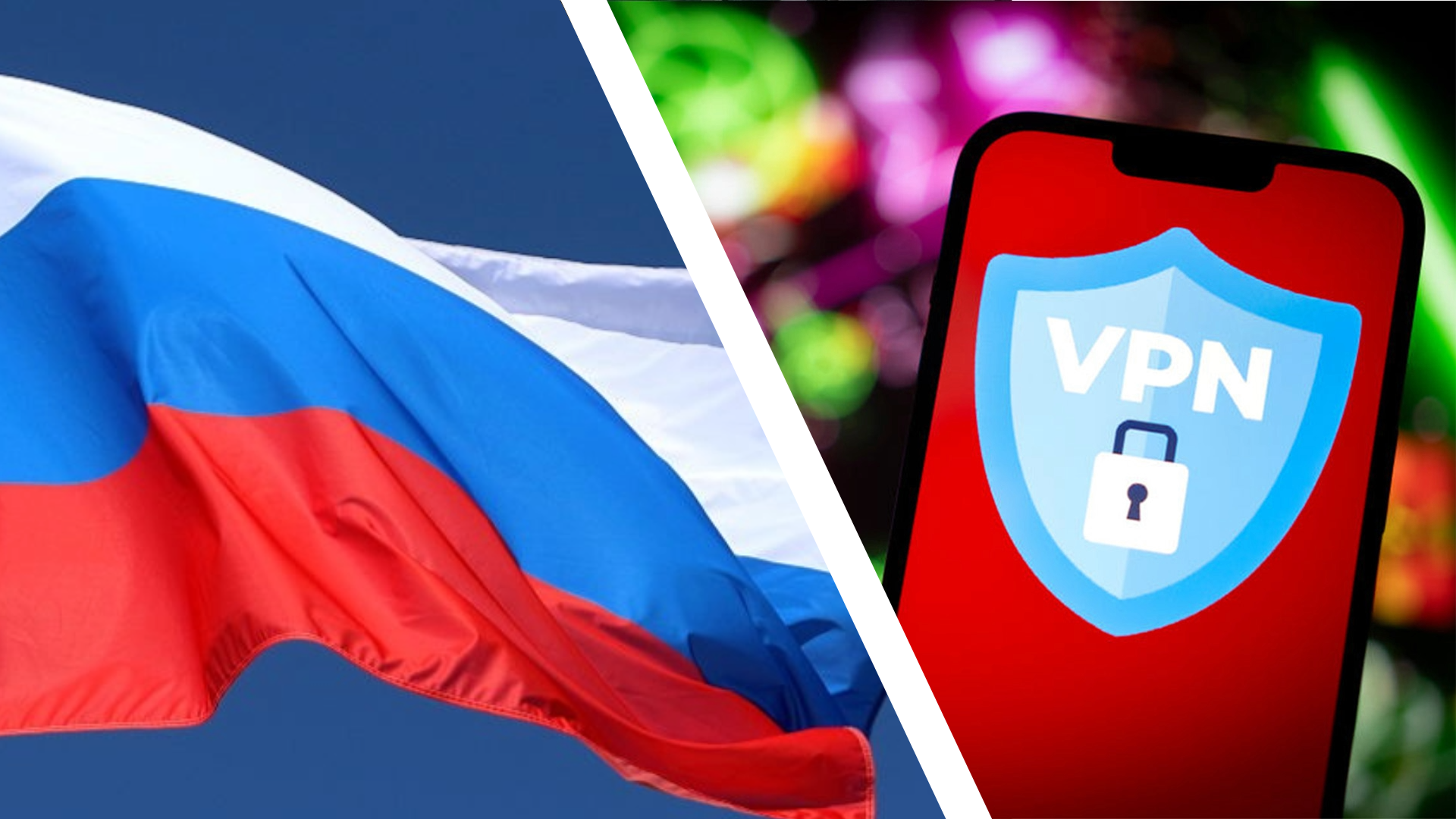
VPN Blocking Tools Leave Russians in the Dark, Sparking Concern Over Government’s Cyber Capabilities
The latest wave of VPN blocks has left millions of Russians without access to the internet, sparking concerns over the government’s ability to exert control over its citizens’ online activities. The move has also raised questions about Russia’s willingness and ability to pay for advanced cybersecurity tools, including those designed to block VPNs.
VPN blocking tools have been a staple of modern-day censorship, allowing governments to restrict access to certain websites and online services. In recent years, several countries, including China and Turkey, have become notorious for their use of these tools to suppress dissenting voices and control the flow of information.
In Russia, however, the government’s approach to VPN blocking has been more nuanced. While they have certainly used VPN blocking tools in the past, their willingness to do so appears to be waning. According to reports from various sources, including human rights groups and tech experts, the Russian government has been struggling to keep up with the latest VPN technologies, which often render traditional blocking methods ineffective.
## A Fading Arsenal of VPN Blocking Tools
The latest wave of VPN blocks in Russia is believed to have been triggered by a combination of factors, including increased use of virtual private networks (VPNs) among Russians and growing concerns over government surveillance. While the exact motivations behind the move are unclear, experts say that it may be an attempt to regain control over the online narrative and suppress dissenting voices.
However, with VPN blocking tools becoming increasingly sophisticated, it is likely that this strategy will soon become obsolete. Modern VPNs use advanced encryption methods and server locations around the world to evade traditional blocking techniques. As a result, Russia’s reliance on these tools may be dwindling, leaving them vulnerable to more effective countermeasures.
## The Cost of Advanced Cybersecurity
The question remains, however, whether Russia is willing and able to pay for alternative VPN blocking tools that can keep pace with the latest technologies. According to reports from various sources, including cybersecurity firms and government officials, Russia’s willingness to invest in advanced cybersecurity solutions appears to be waning.
While it is true that Russia has made significant investments in its cybersecurity capabilities in recent years, it remains unclear whether these efforts have been sufficient to keep up with the latest VPN technologies. With the global cost of cybersecurity tools expected to rise significantly in the coming years, Russia may find itself facing a difficult decision: either increase spending on VPN blocking tools or risk losing control over the online narrative.
## A Growing Concern Over Cybersecurity Capabilities
The implications of Russia’s hesitation to pay more for VPN blocking tools are far-reaching and concerning. If the country is unable to keep pace with the latest technologies, it risks being outmaneuvered by its adversaries, including the United States and other Western nations.
This would have significant consequences for Russian national security, as well as its ability to exert influence on the global stage. With the rise of cyber warfare, Russia’s cybersecurity capabilities are becoming increasingly critical to its success as a major power. If it is unable to defend itself against VPN blocking tools, how can it be expected to defend itself against more sophisticated cyber attacks?
In conclusion, Russia’s hesitation to pay more for VPN blocking tools raises important questions about the country’s willingness and ability to exert control over its citizens’ online activities. As the global cybersecurity landscape continues to evolve, it is likely that Russia will need to reassess its approach to VPN blocking and invest in more advanced solutions if it hopes to remain competitive.
The cost of advanced cybersecurity tools is a significant concern for Russia, as it is unclear whether the country is willing and able to pay the necessary prices to stay ahead of the curve. The global cost of cybersecurity tools is expected to rise significantly in the coming years, with some estimates suggesting that the market could reach $150 billion by 2025.
For Russia, this means that it will need to make significant investments in its cybersecurity capabilities if it hopes to remain competitive. However, the country’s willingness and ability to do so are far from certain. While it is true that Russia has made significant investments in its cybersecurity capabilities in recent years, there are concerns that these efforts have been insufficient to keep up with the latest VPN technologies.
One reason for this is that many of the most advanced VPN blocking tools are developed by private companies, which can be expensive and difficult to access. Additionally, many governments are also investing heavily in their own cybersecurity capabilities, making it increasingly difficult for any one country to stay ahead of the curve.
Despite these challenges, there are still ways for Russia to improve its cybersecurity capabilities and stay ahead of the VPN blocking tools. One approach is to invest in open-source solutions, which can be cheaper and more accessible than proprietary technologies. Another option is to work with other countries and private companies to develop and share advanced cybersecurity tools.
However, these efforts will require significant resources and cooperation from multiple stakeholders. In Russia, this means that the government will need to work closely with the tech industry and other government agencies to develop and implement effective VPN blocking solutions. It also requires a willingness to invest in research and development, as well as a commitment to staying ahead of the latest cybersecurity threats.
The implications of Russia’s hesitation to pay more for VPN blocking tools are far-reaching and concerning. If the country is unable to keep pace with the latest technologies, it risks being outmaneuvered by its adversaries, including the United States and other Western nations. This would have significant consequences for Russian national security, as well as its ability to exert influence on the global stage.
In addition to its national security implications, Russia’s inability to develop effective VPN blocking tools also has significant implications for its economy. The country’s reliance on technology to control its citizens’ online activities is a major factor in its economic development, and if it is unable to keep pace with the latest technologies, it risks losing competitiveness in the global market.
Furthermore, Russia’s inability to develop effective VPN blocking tools also raises concerns about the country’s human rights record. The use of VPN blocking tools can be a powerful tool for governments to control their citizens’ online activities, but it also has significant implications for freedom of speech and access to information. If Russia is unable to develop effective VPN blocking tools, it risks losing the trust of its citizens, who may see the government’s efforts as an attempt to suppress dissenting voices.
In conclusion, Russia’s hesitation to pay more for VPN blocking tools raises important questions about the country’s willingness and ability to exert control over its citizens’ online activities. As the global cybersecurity landscape continues to evolve, it is likely that Russia will need to reassess its approach to VPN blocking and invest in more advanced solutions if it hopes to remain competitive.
However, this will require significant resources and cooperation from multiple stakeholders. It also requires a willingness to invest in research and development, as well as a commitment to staying ahead of the latest cybersecurity threats. If Russia is unable to meet these challenges, it risks losing its competitiveness in the global market, as well as its ability to exert influence on the global stage.
Ultimately, the future of VPN blocking tools in Russia will depend on a range of factors, including the country’s willingness and ability to invest in advanced cybersecurity solutions, as well as its commitment to staying ahead of the latest threats.